Tuesday, May 8, 2018

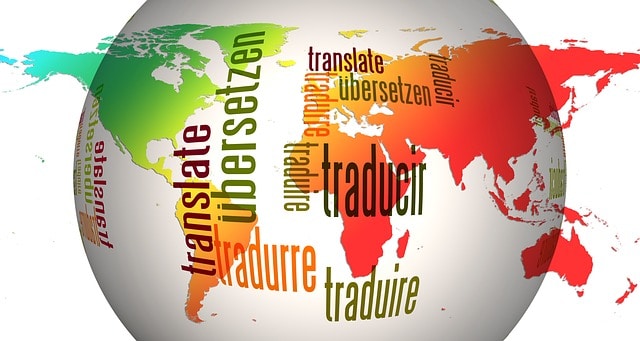
How to Increase Organic Traffic with the Help of Translation

Jack Ma, the charismatic CEO of Alibaba, said this year at Davos that “when trade stops, war begins,“ and selling globally is no longer a right solely of big companies. Technology makes the Earth smaller, and you can buy from Europe even if you are based in Australia.

Going global isn’t a strategy—it’s a necessity. More and more brands and companies compete to grow their market shares by reaching more people. You don’t have to be a stock exchange guru to see that China and India have become two attractive markets for investors.

Don’t limit yourself; even if you run a small blog or a medium-size online store, you have to consider expanding your reach. Going global isn’t simple at all, but it’s not rocket science either.

On the other hand, reaching a global audience shouldn’t be a goal just because your competitors have done it. For instance, increasing organic traffic is a measurable, achievable, and desirable purpose for going global. In the next lines, I will show you how to increase your organic traffic with the help of translation. It’s a previously tested method, so the chances are that it will work in your case too.

Advantages of Going Global

Reaching a global audience requires deep involvement and a lot of work, but in the long term, all of these endeavors will pay off. Here are three significant advantages.

1. Increase Organic Traffic

Rand Fishkin, ex-CEO of Moz, said that you have to create 10x content to get more eyeballs on your site. I wholeheartedly agree with him, but I guess that he missed the point: you can get more organic traffic by translating your content. The recipe is simple: start going global, create good content (even 8x or 9x content is acceptable) and translate it. Instead of fighting to get a better ranking for “translation services,” you can easily rank higher for “services de traduction”—the French equivalent.

2. Wider Audience

A wider audience is itself a huge advantage. Usually, the American and European markets are replete with products and services. Asia is the most crowded continent, so you will have to rebuild your growing and selling strategies for this market. The faster you re-orientate, the higher are the chances of growing your revenue and margins.

3. Branding
Reaching a global audience, selling worldwide, and translating your content shows that your brand is strong and the business is growing. All these indicators make buyers and investors to take you into account. Getting people’s attention is vital for any business nowadays.

A wide audience and a brand campaign are medium- to long-term objectives, and achieving these goals requires complex strategies and a substantial budget. However, increasing organic traffic by translating your content is relatively cheap and straightforward.

Just follow the steps below

Visitors’ Language

You need to know the native languages of your site’s visitors before starting to translate it. Google Analytics provides valuable data in this respect—just head to your Google Analytics account and check Audience > Overview > Demographics > Language. Here you will find listed the languages of your visitors, and most likely, American English will be on the first position. See what other languages your visitors speak, and consider translating your content into these languages.

Identify Your Best-Performing Content

Your best-performing content very much depends on your site. It will cost you a fortune to translate your entire site if you run a content-rich blog or news magazine. A small site is cheaper to translate into multiple languages. If you want to test the waters or are on tight budget, identify your best-performing content and translate it. Once again, Google Analytics is gold for revealing your top performing posts. Make sure that they are relevant to your new target audience. For example, if you run a blog for people learning new languages, and your best-performing post is a list of resources to learn French, does it make sense to translate it into French? I doubt it!

Effective Translation

Identifying your visitors’ languages and your best blog posts is a matter of five to ten minutes. Choosing the translation method, the agents to do it, the budget, and the number of languages is way more difficult. There are two options when it comes to content translation: plugins vs. a translation agency.

Translation via Plugins

WordPress users are the most blessed—there are many effective translation plugins. Weglot, WPML, and qTranslate are some of the best translation plugins. The prices are relatively reasonable, and your content will be translated in no time.

The negative aspect of using a plugin is the accuracy and quality of the translation. Year after year, these plugins have become better, but they’re still not satisfactory, and there is nothing more disrespectful to customers than poorly translated content. It shows how much you respect or disrespect their culture and language.

Translation via Agency

A translation agency will cost you much money than a plugin, but it comes with some serious advantages. First, the translation quality will be better. A good translator is incomparably better than the best plugin or translation app currently on the market.

Second, the customer experience will be better. A translator (especially a native speaker) knows the intricacies of a language and will tweak the content to fit users’ expectations better, showing that you genuinely care about your users and their culture.

Third, translation plugins may hurt your SEO strategy. Neil Patel learned that the hard way. A translator from a respected translation company knows a thing or two about SEO, and he will translate the content while keeping in mind your desired keywords. Of course, you and the translator should collaborate to get the most from your content translation.

Last but not least, you can rest assured that you handed this task over to the experts.

Evaluate and Decide

Translating your content doesn’t mean that you will get instant results. Organic traffic takes times, and it depends on the keywords used. A rule of thumb is to wait six months to evaluate the results. Check the performance of the translated posts and decide if you want to continue with translating the next set of content.

Translating your content is one of the first steps in selling globally, and we all know that the beginning is the most challenging part. The above steps will help you make the proper decisions—many talented marketers have tested them successfully. However, translated content is a double-edged sword. When its’ done poorly, it could anger your visitors. But when it’s done right, it could bring considerably more leads and customers.

What do you think? Will you consider selling globally or increasing your traffic by translating the content? Please leave a comment with your ideas.

Original post: How to Increase Organic Traffic with the Help of Translation


This post is courtesy of: https://www.dailyblogtips.com

Monday, May 7, 2018

3 Tips For Creating Controversial Marketing Campaigns Without Destroying Your Brand

3 Tips For Creating Controversial Marketing Campaigns Without Destroying Your Brand

Is controversy always a good thing for marketing your brand?

It’s that age-old question… is all press good press?

There are supporters on either side of the fence, both armed with examples that suit their purpose.

So which side of the fence are you on?

Let’s reframe the question like this: How much and to what extent is controversy good for marketing, and after what point does it get bad?

The answer is complex, with several things to consider, like:

  1. The level of controversy
  2. The subject of controversy
  3. The connection between the controversy, the conversation and the brand.

This may seem surprising given we are accustomed to seeing high-profile companies running controversial (sometimes highly controversial!) campaigns, and hijacking conversations on social media to rake in the profits that come from increased visibility.

But a study by academics from Wharton Business School found that while “controversy increases the likelihood of discussion at low levels”, beyond a moderate level of controversy, it “actually decreases the likelihood of discussion”.

So what are you meant to do if you want to add the right amount of controversy to your marketing campaign without going too far?

This blog post will explore how to create campaigns that provoke conversations and push the boundaries of social perception without negatively impacting your brand.

Ready?

Let’s go!

Tip 1: Choose the right controversy

Just as there are different degrees of controversy, there are different types of controversial campaigns that you can undertake:

  1. Shock campaigns
  2. Taboo campaigns
  3. Debatable campaigns

Shock and Taboo campaigns are the ones that provoke widespread commentary on a contentious topic; for example, an ad that trots out the idea that all gamblers are liars or a pro-atheism poster that shows two priests kissing.

Whereas a Debatable campaign is one that has valid and rational points in both its pros and the cons, and is supported by data.

It is highly recommended to opt for a campaign that is Debatable.

That way, you can still stir up a debate, but let people decide where they stand on it. Debatable campaigns don’t solely rely on administering emotional shock or activating trigger points to generate a response, and rarely cause damage to your brand.

With a Debatable campaign, there is a minimal chance of anyone getting offended or hurt, yet everybody participating in the debate becomes aware of your brand. And this additional awareness can be leveraged by you to boost business.

A study conducted by the apartment location start-up Abodo called ‘Tolerance In America’ analyzed 12 million tweets for profane language, then ranked US states on the basis of tolerance.

The headline may be melodramatic, but this type of content is conducive to debate amongst people, as bigotry and intolerance are hot-button topics. Abodo was not adversely affected by putting up this blog post and the campaign was a huge success with more than 620 placements (240 DoFollow links and 280 co-citation links) and more than 67,000 shares which, in turn, stimulated social media discussion.

Another way to successfully harness controversy for your brand is by taking a bold stance on a highly-charged issue.

A great example that springs to mind is Oreo.

So what did Oreo do?

They came out in strong support of gay rights with a Facebook post that contained the image of a multi-colored cookie in the same configuration as the Gay Pride rainbow flag.

The result?

Well, the image sparked fierce debate among the company’s 27 million fans on its Facebook page. While Oreo did cop some flak, the controversy also popularized Oreo wildly and the company reaped a massive dividend from the ensuing publicity.

With more than 50,000 comments and 300,000 likes, it was so successful that there was even a petition for Oreo to manufacture real-life rainbow cookies. The general perception was that Oreo was a ‘brave’ brand for taking a courageous stand on a contentious issue.

There are several other lessons that can be drawn from this example, and some others which we will examine later in the article.

For now, the key takeaways are:

  1. Keep your campaign debatable, or…
  2. Take a stand on a contentious issue and center your campaign around that.

Tip 2: Connect the controversy to your brand

Deciding on a Debatable controversy is not enough. You also have to find a way to connect the controversy to your brand.

Otherwise you will simply be stirring the pot without translating it into measurable outcomes (be it tweets, likes, dislikes, shares, comments or sales profit).

Take this example of a 1-minute video advertisement released by United Nations Women, titled ‘The Autocomplete Truth’, that highlights gender inequality. The campaign compiled the Google autocomplete search results from around the world for the words ‘women should…’

Watch it for yourself.

The campaign was a huge success with the hashtag #womenshould gaining 224 million impressions on Twitter and earning the top spot of ‘Most Shared Ad of 2013’ on Facebook.  The campaign also helped to spark a global debate on gender equality and women’s rights – both offline and online.

You can see how a controversial campaign like this allows the data to speak for itself; in this case, for Google search results from around the world.

Another example of a high-performing controversial campaign is from Sisley.

It subverts the stereotype of fashion models as starving and drug-addled by depicting fashion models ‘snorting’ clothing off a reflective surface.

While debate raged about whether the advertisement was glamorizing drug usage, one thing is for sure, the advertisement was racy and pushed the envelope of good taste. But it did so with a self-referential wink.

While it contained elements of a Shock campaign, it wasn’t just shocking for shock’s sake. And it definitely didn’t do any damage to the brand, with most of its target audience embracing the idea of being ‘fashion junkies’ or ‘addicted’ to expensive style.

Today’s consumers love to take a peek ‘behind the curtain’ and relate to witty content that speaks directly to them, so this type of campaign is well-placed to succeed.

Tip 3: Have a crisis management plan

As we’ve already discussed, controversial marketing campaigns are, by nature, well… controversial.

Before launching your campaign, it is imperative to discuss and have in place a crisis management plan to handle any backlash.

That way, you won’t have to fumble in a conference room putting together a press release in the wake of a social media storm. A good response system is crucial to effective brand management and maintaining your campaign’s integrity.

In other words, have a thoughtful and prepared response ready to go.

Let’s return to the example of the Oreo image.

While the company was successful in gaining massive online and offline support for their post, it did cop some flak.

Despite gaining more followers than they lost (or alienated), Oreo ending up pulling the image from its Facebook page after succumbing to pressure from followers threatening to either boycott or leave the page.

This is exactly the sort of situation you don’t want to wind up in.

Oreo’s panicky response in removing the image made them look less ‘brave’ than initially intended and indicated that their marketing team hadn’t properly considered the potential ramifications of the post. It showed a susceptibility to pressure as well as a regrettable inability to handle criticism.

So, here are some failsafe tips to put a crisis management plan (or as you may prefer to think of it, positive response system) in place.

  1. Take a top-down approach. In other words, people at the top of your organization should take the initiative in responding. This shows that they lead by example and tells the public that their concern is being taken seriously.
  2. Adopt a positive and empathetic tone when engaging with consumer complaints both online and offline. Offer a solution to fix the problem instead of merely apologizing. Show grace, tact and sensitivity.
  3. Follow-through with those affected or offended by the marketing campaign in question to demonstrate an ability to listen to feedback across multiple platforms and action the ensuing results.

In conclusion

Don’t just court controversy for the sake of courting controversy. Instead, ask what it can do for your brand in moderate dosages and examine how it can be connected to your existing marketing messages.

Sometimes it is better to stay cold than to play with fire, however, if you decide to undertake a controversial campaign, use the above tips to generate the positive results you want.

Remember, your aim should never be to offend anybody, simply to tap into popular ideas and debate as an integral part of your engagement strategy.

Now tell us: what is your take on deliberately introducing controversy to a campaign? Share your thoughts below and let’s start a discussion.

Guest Author: Vaibhav Kakkar is Co-Founder and Chief Growth Officer at RankWatch and NotifyFox, Software Solutions that help digital marketers perform better. Apart from helping businesses succeed online and writing about Internet Marketing, he spends time digging deep into the beautiful world of search engine algorithms. You can connect with him on LinkedIn. 

The post 3 Tips For Creating Controversial Marketing Campaigns Without Destroying Your Brand appeared first on Jeffbullas’s Blog.


Read Full Article: http://bathseoexpert.tumblr.com/post/173678945751

7 Essential Resources and Tools for Bloggers in 2018

7 Essential Resources and Tools for Bloggers in 2018

You can’t be expected to build a house without a hammer and some nails.

Regardless of what you want to achieve out of life, you need to have the right tools in your arsenal.

Blogging is no exception and the Internet has provided bloggers with an embarrassing wealth of riches when it comes to blogging tools.

You’re likely already familiar with some of them, like WordPress and Google Analytics, but what are some of the resources and tools that deserve to get on your radar this year?

1. Ubersuggest keyword suggestions

Ubersuggest - tools for bloggers

Continuing with matters related to search engine optimization, Ubersuggest is a terrific (and FREE!) keyword research tool that can help bolster your SEO and PPC efforts. We all know how important keywords can be with search engine optimization (and search engine marketing), but sometimes it can be very challenging to determine where to begin targeting.

Ubersuggest is really easy to use and doesn’t require a login. Start with a keyword or phrase that you’d like to research, indicate whether you’re focusing on the web (or image, shopping, YouTube, news, etc.), and select the language and geography that you’d like to look into. Click to look up and you’ll be presented not only with an expansive list of keyword suggestions, but also the expected volume, CPC, and competition value so you can best evaluate how to proceed.

Keyword suggestions can really help you narrow the focus of your content and then you can target these keywords based on search volume, CPC, and competition. The results can be further filtered down and you can enter negative keywords too. It’s a really powerful launching off point for all your blogging needs.

2. Buzznami content evaluation

Buzznami - tools for bloggers

You might think that your content is pretty good, but when it comes to matters like this, your solo opinion isn’t really worth all that much. You need to seek out a tool that provides a much more objective analysis and evaluation of your content, auditing it for where it’s strong and where it needs improvement.

Focused primarily in the area of content marketing is Buzznami. They work not only in auditing your content,but also promoting it so that it can get in front of as much of the right audience as possible. Each post is optimized for search engine optimization, and you build up a list of influencers and link partners for each post to get that content out into the world.

When you submit your content for a free audit and analysis, the tool will automatically determine the associated social media accounts for the domain. You can correct these as needed. Your request then enters the queue and you’ll be sent your report via email when it is complete. Buzznami says the typical wait time is only 5 to 10 minutes, and then you can take specific actionable steps to improve your submitted content.

3. MySimpleShow explainer video creation tool

mysimpleshow - tools for bloggers

Video has absolutely exploded onto the blogging and social media scene in the last couple of years. Part of this may be fueled by the rising availability and affordability of both smartphones and high-speed Internet. Visual content is hugely popular everywhere, from the blogs themselves to platforms like Instagram, Facebook, and YouTube. But video creation can feel so incredibly daunting for the uninitiated and experienced veterans alike.

A far simpler and more accessible solution can be found with MySimpleShow. You can literally create your “explainer video” in a matter of minutes, all without any specialized software on your end. It all works from within your web browser. Basically, all you have to do is provide the basic script for your video and the guided process will help you decide the suitable imagery and animations to accompany that script.

You gain access to thousands of illustrations that can populate your video automatically, and then you can further customize it if the automatic selections aren’t quite right. The resulting video, whether it’s to educate the world or to explain your product or service, can then be easily uploaded to your platform of choice to use as you see fit. And yes, you can even make a video for free.

4. FreelanceMyWay for hiring blog writers

Freelancemyway - tools for bloggers

There are only so many hours in the day and you are just one person. You might be really good at writing blog posts, for example, but your skills in web development and graphic design may be seriously lacking. While you could invest hours and hours into expanding your skill set, you are still restricted by the confines of the 24-hour day. If you want to get more done, you’ll want more people to help you.

Helping to make the outsourcing process far more accessible is FreelanceMyWay. Instead of having to go through the process of actively seeking out top quality freelancers to handle the myriad of tasks you’d like to outsource, you can turn directly to the marketplace already established by FreelanceMyWay. This includes such professionals as app programmers, logo designers, data entry specialists, admin support, and so much more.

When you post your project up on the platform, you’ll start receiving bids from freelancers in a matter of minutes. The whole process is designed to be as simple, safe and affordable as possible. The freelancers in the network are pre-vetted, going through a three-step verification process with a thorough review by their quality assurance team. The net result is you draw from a pool of pros who have already demonstrated they know what they’re doing.

Payments can be issued using the milestone system, so the payments are only released when the goals and objectives of your timeline are achieved. Best of all, posting a job is completely free!

5. The Hoth bulk DA/PA checker

The Hoth - tools for bloggers

Whether you’re checking up on your own blogs or you want to peer into your competitors (and potential partners and collaborators), the bulk domain authority and page authority checker at The Hoth can save you a lot of time and effort.

All you have to do is enter the URLs you’d like to check, either on a single domain or with multiple URLs across multiple domains. The tool will then spit out the DA and PA so you can determine “the strength of specific pages and the likelihood for a domain to rank well in search engine results.” This is excellent for research purposes.

6. Skysilk free cloud resources

Skysilk - tools for bloggers

Everyone seems to be going to the cloud these days, but what about when it comes to your blog? An intriguing option to consider for free cloud hosting is SkySilk. They offer managed cloud services and you can indeed get access to the cloud for free while they are still in beta. It’s simple and innovative, and you can leverage the cloud for all sorts of Linux applications and developer tools too. These include such options as CentOS, Fedora, Ubuntu, WordPress, OwnCloud, PostgreSQL and more.

While they are still in beta, you can sign up to get a free Linux VPS to use as you see fit. This early access offer provides you with one virtual machine (VM) and up to 500 GB of SSD storage. If you’d like to have more VMs or more storage/resources, you can inquire directly and they’ll review it on a case-by-case basis. As a beta tester, you are also rewarded for your input with SkyPoints that can then be cashed in for a variety of benefits.

This could prove to be a fascinating testing ground for a lot of your blogging efforts.

7. List of top blogs

Blogs on internet - tools for bloggers

When it comes to blogging and creating site content, it’s not just about giving the best value to your audience, it’s also about knowing how to reach existing audiences and also see what type of content is already out there. For this reason and more, it’s extremely important to always keep an eye on other top blogs within your niche and industry.

To help with this process, blogging.org has released their own active list of the top blogs and websites on the internet today, broken down by category. With more than 50 categories to choose from and hundreds of manually selected sites to choose from, you should have no problem finding other relevant sites within your niche, that can act as both valuable partner sites, guest blogging opportunities, or even for direct competitor research.

Put these resources and tools for bloggers to use to win BIG in 2018

With over a billion active sites on the internet today, you simply need to take advantage of the many different tools and resources available. Gone are the days when you can just install WordPress, create content, and start ranking in Google.

It’s now all about the content creation, marketing, research and relationship building process. Take some time to explore what each of the tools and resources mentioned above has to offer, then put them to use on your own website, blog or brand.

Guest author: Zac Johnson is a world renowned blogger and entrepreneur with nearly 20 years of experience in the online marketing space and has helped his readers generate millions of dollars online. He shares his story and guidance at ZacJohnson.com

The post 7 Essential Resources and Tools for Bloggers in 2018 appeared first on Jeffbullas’s Blog.


Read Full Article: http://bathseoexpert.tumblr.com/post/173672463956

Is Your Blog a Golden Egg?

blog-golden-eggI opened a carton of eggs yesterday and one of them was gold. Solid gold.

Crazy, right?

Picture it. Eleven plain egg shells and one glorious dome of gold, glinting on my kitchen counter. I picked it up and, sure enough, it weighed a ton.

I called the supermarket. Apparently, there was some mix-up with the department that supplies golden goose eggs to Jack and Beanstalk land or something.

Anyway, I won’t bore you with the details. The point is, this got me thinking …

Why do most blogs look like boring, identical, everyday eggs?

Everyone’s a thought leader these days, regurgitating the same tedious content like a gaggle of vomiting geese. The online community of every industry is oversaturated, it seems.


The online community of every industry is oversaturated it seems, says @KonradSanders.
Click To Tweet


And yet, every now and then, one of them shines.

Only 5% of content creators get loyal followers, traffic, and dominating positions at the top of Google. (I made the 5% figure up, but it’s a small percentage all the same.)

They are the golden eggs of content. They differentiate themselves in the right way. In a way that customers love. In a way that makes them gleam with value. In a way that makes them the go-to resource for the topics they delve into because they stick like heavy duty contact adhesive in the minds of their readers (or listeners or viewers).

Can your brand be a golden egg of content?

Yes, it can!

The key is: to truly be unique.

Now I know you’ve heard this time and time before, but marketers rarely explain how to make your brand content unique. And that’s exactly what this article is going to reveal.

But as you soak up these tangible tips to content differentiation, please remember: EVERY golden egg content creator got to the top over time, with careful tests, tweaks, and attention to their audience. Differentiation is just one part of the content marketing equation; but an important part nonetheless.


Differentiation is just one part of the #contentmarketing equation; but an important part, says @KonradSanders.
Click To Tweet


Here are five practical ways to make your content zig while your industry zags.

1. Talk differently

Creating a unique (and consistently unique) brand voice should be your first port of call.

Thug Kitchen is a great, albeit very extreme, example.

Thug Kitchen brand voice

In the heavily saturated world of food and cooking blogs, most content creators adopt a gentle, sophisticated brand voice with descriptive language and long, detail-heavy sentences. And yes, an air of pretentiousness often floats around the foodie arena.

But Thug Kitchen took a different route.


In a pretentious, gentle world of food blogs, @thugkitchen’s voice stands out. @KonradSanders‏ Read more>
Click To Tweet


It offers no-nonsense vegan recipes and “bad ass” cooking tips in the voice of a rapper or “gangsta.” Seasoned with profanities, short punchy sentences, and a tongue-in-cheek twist to the culture of veganism, this brand content REALLY stands out.

The target audience? Probably not a 60-something grandma. But millennials with a sense of humor who just want to cook some nice grub fast and forget the fluff eat up this content for breakfast (and lunch and dinner). Oh – and apparently celebrities like Gwyneth Paltrow do too.

In the B2B world, Copyhackers is a prime example of a brand voice that perks up ears.

Copyhackers brand voice

Joanna Wiebe and her band of merry copywriters keep their marketing tips extremely down-to-earth, jargon-free, funny, and personal. They throw in some tongue-in-cheek street talk for good measure.

At the end of a Copyhackers article, you feel like you’ve been chatting with a mate in the pub (yes, I’m British). And it’s a refreshing change to this land of B2B corporate speak and dullness.

Joanna discusses swearing, euphemisms, and writing something that actually sounds like you (plus the controversy that might come with it) in this post.

How to do it

  1. Do some competitor analysis. Find the top 10 to 20 brand blogs (or vlogs or podcasts, etc.) in your industry and pop them on a spreadsheet. This step helps with the practical differentiation techniques I’ll delve into.
  2. Write down three to five adjectives that best describe the tone of voice of each brand. Is it hip? Playful? Sophisticated? Cheeky? Authoritative? Sassy? This list of adjectives will help.
  1. Describe the “person” speaking – gender, age, job title, and personality traits. Personify your competitors’ brands before you create your own.
  1. Note the commonalities across the group.
  1. Create a brand personality and voice that makes you stand out. If everybody in your industry speaks stiffly and corporately, be the chilled one your audience can relate to. Or if every brand talks like they’re your best friend, be the consummate pro. Or talking in a natural way might be all you need given its rarity these days.

Define your brand personality as you did with your competitors, and then choose five adjectives to describe your unique voice. To do things even more thoroughly, create a tone of voice axis, as explained in this Buffer post.

TIP: Your brand voice should be authentic and relevant to your audience as well as consistent across content and touchpoints. (I will explain in depth at the end of this post.)


Your brand voice should be authentic & consistent across #content & touchpoints. @KonradSanders
Click To Tweet


2. Format and structure your content uniquely

Is everyone in your industry writing 500-word listicles? Then why not consistently create 2,500-word value-packed pieces? Or 200-word nuggets? Or reveal your lessons in the form of gripping stories, not lists? Or include a Buzzfeed-style interactive quiz in every post?

Differentiating the structure and formatting style of your content (i.e., the way it is organized) is another opportunity to lay that golden egg.

Bernadette Jiwa’s blog about brand storytelling, The Story of Telling, is a perfect example.

the-story-of-telling

In an industry chock-full of long, heavy, often jargon-filled content, Bernadette gives us short, thought-provoking, story-led posts of 50 to 300 words each. How fittingly unique and memorable for a blog that belongs to a branding specialist.

Or look at Design Clever, an utterly word-free blog composed of carefully curated imagery that graphic designers have grown to love.


A #blog free of words stands out, notes @KonradSanders. Check out @DesignClever_.
Click To Tweet


design-clever-blog

How to do it

  1. Go to your spreadsheet of competitor blogs. Insert a new column for notes about their structure and formatting style.
  2. Make notes. Identify commonalities. You know the drill.
  3. Draw on inspiration from other industries and content creators. Is there anything unique and powerful you’ve seen that you could pull into your content and industry? Do a ton of research. Jot down ideas.
  4. Be creative. Come up with your distinct formatting style and structure. Your bottom line will thank you.

3. Go niche – real niche

If you want to compete with all the big businesses and blogs, then honing a niche or micro-niche is not to be sneezed at.

Why? Because without a niche you compete with everybody in your industry, which is no mean feat. Narrowing your focus offers you a greater chance of becoming an authority, building a real readership, making a stamp in your industry, and becoming a go-to thought leader for that niche.

Nerd Fitness, a brand that sells subscription fitness and training courses, focuses its blog on – you guessed it – helping “nerds” level-up their fitness.

nerd-fitness-example

Trade Knowledge Exchange, an economic and trade consultancy, helps readers understand the shifting landscape of the post-Brexit trade environment. Very niche. Very important. And hardly anyone else covers it in such depth.

trade-knowledge-exchange-example

How to do it

  1. Ask your customers what one area of business or life (that relates to your service or product) they have the most trouble with.
  2. Hone in on that one problem area and make it the core focus of your blog.
  3. Research that area extensively, build relationships with other influencers in the sphere (if there are any), practice what you preach (i.e., work in that niche field that you’re talking about), and really master the subject. Then share that mastery.

4. Design your blog and images uniquely

You need a good designer or at least a good design eye to create a unique look for your brand’s content.


You need a good designer or a good design eye to create a unique look for your brand’s content. @KonradSanders
Click To Tweet


You might opt for simple with cute artwork/illustrations like Pando or Help Scout.

pando-artwork-example

helpscout-example

Or go big, beautiful, and colorful like Brit+Co.

brit-co-design-example

Or perhaps minimal and super-stylish like ETQ.

etq-design

Or adopt some vintage vibes like The Creative Copywriter (shameless plug).

creative-copywriter-design

How to do it

  1. Think of the blogs you love to peruse because of how they look and feel. Understand why they resonated visually – and flick through all the content to see how it’s done consistently. Is there a blog that makes your mind go “aaah” in relaxation every time you visit? Or “oooh” because it’s refreshingly different? What color scheme does it use? What types of graphics or illustrations? How is the negative space being used?

    Think of a #blog’s design you like. Appreciate its consistent look and feel, says @KonradSanders.
    Click To Tweet


  2. Go back to the spreadsheet and jot down the design style of your industry competitors. Use three to five adjectives to describe their visual style.
  3. Work with a designer – preferably a conceptual branding designer – to create your blog and content’s unique visual identity. Be in tune with your overall brand identity because it all comes together as one full package … consistency is key, remember?

5. Choose a different medium

A superb way to differentiate is to see what types (i.e., mediums) of content everyone else in your industry is creating, and then fire in another direction.

Wow. Ground-breaking idea, isn’t it?

Sorry if that sounds too obvious. But it has to be said given all the copycat content creators I see. Over and over. That’s because our natural inclination as humans is to go with the tide, not against it.

But this might be a fantastic way for you to claim your unique position.

While most travel companies stick to standard blog posts, Orbitz laid a golden egg in the form of this super-personalized, creative quiz:

orbitz-quiz-example

Prospects needed to enter their name and email address to get the much-sought results. Which means? It was a unique, powerful, and memorable lead magnet that created a lot of buzz and pushed a ton of leads down the funnel. Here’s the full story.

In a different industry, I recently helped Arun Estates – one of the U.K.’s largest real estate brands – with their content marketing strategy. We decided to break the mold with value-driven articles and fairytale-esque case stories sent to their prospects in the form of hard-copy letters. Or “content marketing through the letter box” as we like to call it.

How to do it

  1. Remember that trusty spreadsheet? It’s time to do your research again, add a new column and take some more notes. What are the most common content mediums/types/formats in your industry?
  2. Have a good old look around for different forms of content you could create, using lists like this one, this one, and this one for inspiration.

Just adopting this experimental zig-not-zag attitude will put you in the “top 5%” and make you a golden egg in the making.

But to raise your chances of success even further, follow these 20 Tips to Brand Your Blog by content marketing queen, Heidi Cohen.

And, as you’re creating a golden egg, please bear in mind the golden rules below.

Golden rules to differentiation

Always stay relevant to YOUR people

Your audience is the only one that matters. If you’re selling food to egg eaters, know them and make them happy. Don’t suddenly offer them taco, when they came to you for an omelet.

Define your audience better than anyone else and listen carefully to them. Use what they tell you (through words and actions) to shape your content following the five practical ideas in this article.

Your goal must be to differentiate while remaining relevant to your audience.

Be authentic

An authentic voice speaks the brand’s values. Clearly know and state your core brand values. Hold to them in everything you create. You will find and form strong bonds with an audience who shares your values. Your loyal, loving fans will sell your brand for you.

Inauthenticity reeks of untrustworthiness. And your audience will smell it from a mile off.

You want to be the golden egg, not the rotten one.

Your goal must be to differentiate while remaining authentic to you and your brand.

Be consistent

Imagine if your favorite podcaster or blogger suddenly changed in character, content, or accent – with no reason or explanation. Not a pretty thought. You must stay consistent in your brand voice, image, and every aspect.

At the beginning, it may take experimentation to find your form. But once you do, stay the same every time – a reliable consistent voice your audience can return to again and again.

There you have it. All you need to truly be unique – the right way. Try out these tips and start laying those golden eggs.

Leave the goose gaggle and you’ll soon be leading it.

Got some wisdom to add? Some extra differentiation techniques? Or blog branding know-how to throw in the mix? Let me know in the comments.

Stand out among your fellow marketers. Attend the world’s content marketing event and learn a lot about how to elevate your brand’s content. Register today for Content Marketing World Sept. 4-7 in Cleveland, Ohio. Early-bird rates expire May 31. Plus, use code BLOG100 to save $100.

Cover image by Joseph Kalinowski/Content Marketing Institute

The post Is Your Blog a Golden Egg? appeared first on Content Marketing Institute.

Is the Age of Social Media as We Know It Over?

age of social media

I sat there in amazement.

I had created an account and logged in.

The result was not what I expected.

The screen had filled with people I hadn’t seen in  20-30 years.

Global and personal networking at scale.

Social media’s potential was in front of me.

Shared human consciousness and connection enabled by technology.

Conversations, photos and videos.

Crowd sourced media.

The future

The promise and future was visible.

It was the beginning of the age of social media.

That was over 10 years ago.

Then we all became obsessed.

Logged in and created and shared content with increasing velocity.

Business and publishing was never going to be the same.

Media would be disrupted.

Influence and power was becoming digital.

But most media moguls hadn’t detected the danger to their business models.

It was just a fad.

A perfect storm

But then another shift emerged.

A small tech invention was added to the mix.

Another tech obsession crept up on us.

The smartphone became available to the masses

This was the perfect storm.

Two technologies that disrupted how we work and live.

The web was changed forever.

From an Internet of websites to one of mobile, apps and platforms.

The wild west of innovation and adventurous experimentation exploded.

We all leaped in and added to the data storm.

Growth was rapid.

Multiple social networks emerged.

It became a gold rush with thousands of players.

But with any industry there is a natural evolution.

Consolidation

Facebook bought Instagram. WhatsApp, Oculus Rift and emerging competitors.

Domination was bought.

Global distribution built and acquired.

The battle for control was being fought.

Then there was a shift.

The algorithms were changed and Facebook organic traffic plummeted.

The promise of reaching the world for free without gatekeepers was being throttled.

Social media as we knew it had morphed into a corporatised money making machine.

It doesn’t care about you.

It just cares about how much money it can make.

And wants to know everything about you.

Privacy is threatened.

The pay to play landscape is now the reality for those with no patience to earn attention.

The cuddly and fun toy we loved.

Has become an industrialised and corporatized robot.

The challenge for any marketer and business person from big brands to personal brands is now clear.

It asks questions.

How do I market and publish and get attention without always paying for it?

How do I adapt?

Is my gatekeeper now Facebook?

The answer is in some part….yes.

How do we work in this new landscape?

Know how the game is played.

Be creative.

Hack the algorithms.

Test different tactics.

Digital marketing is not Facebook advertising.

It is just one component.

It’s an constantly evolving digital ecosystem.

A toolkit of tactics, apps and optimization.

Despite a 31% drop in organic and free social traffic we have managed to grow traffic.

An investment in search engine technical development has grown organic SEO by 66%.

We have driven thousands of views day with tactics trialling inspirational content with apps like Flipboad and PushCrew.

Facebook messenger and chatbot marketing are effective.

Open rates of over 80% and click throughs of 55% are common.

We keep looking for tactics that work.

The wild west of social is over

It was fun while it lasted.

But nothing is forever.

The big results are now harder to get.

You will need to keep tweaking and testing at the edges.

Never settling.

The social media we grew up with has changed and morphed.

And your tactics with need to evolve.

Change is the new normal.

Get used to it.

The post Is the Age of Social Media as We Know It Over? appeared first on Jeffbullas’s Blog.


Read Full Article: http://bathseoexpert.tumblr.com/post/173651973291

Friday, May 4, 2018

Strategies to Consider Ahead of Your Ecommerce Launch

Every entrepreneur’s dream is to launch their website and watch the orders pour in. But going live with your ecommerce store is not necessarily a guarantee business will be booming right off the bat. The only way you’ll see strong sales from the outset is to promote your store using the right channels ahead of time. You’ll also need to optimize your store so it’s ready to handle an influx of traffic and—hopefully—conversions.

Consider these strategies ahead of your ecommerce launch to maximize its impact.

Build Buzz with Pre-Orders
Buzz, though difficult to quantify, is an important tool in your pre-launch toolkit. What can you do to get consumers talking about your product lineup or brand in general, even before your grand opening? Where’s there’s excitement, there’s a line of customers eager to get their hands on the newest merchandise available.

Offering pre-orders appeals especially to shoppers who value being on the cutting-edge of product ownership. These customers find appeal in owning something before anyone else, so you’ll play to their interests by allowing them to “buy” before the general population does. Make sure you properly incentivize early bird shoppers with a good deal and speedy order fulfillment when the products do ship out.

Consider Paid and Organic Search
Half the battle leading up to launch day is drumming up traffic. Your store needs a plan for both paid and organic search. After all, some people will click an ad to check out your site, while others will stumble across your store when they plug a related query into a search engine. It’s important to direct both types of visitors to relevant landing pages in your cloud ecommerce store. The time to engage in search engine optimization and paid search strategies is in the months and weeks leading up to the big “reveal.”

Focus on What You Do Best
It’s tempting to try to do everything in ecommerce well. But this approach actually dilutes your strengths. It’s a better strategy to choose a unique selling proposition and design your store based on its principles. For example, it’s rare to see a store selling both bargain-priced goods and high-end luxury items. It’s smarter to truly understand your target audience and serve them well by playing to your strengths.

In other words, pick a realistic business model and stick to it. Instead of offering 1,000 products across various categories on launch day, handpick a few collections you believe consumers will want to buy. Instead of billing yourself as a “one-stop shop,” focus on the few advantages your store can provide to shoppers compared to your competition. Instead of trying to appeal to the general internet-using public, drill down to establish your target audience.

Utilize Influencer Marketing
Last but not least, it helps to have trusted influencers driving traffic to your website and promoting your products. Influencer marketing has taken ecommerce by storm, and for good reason: Online users tend to trust authority figures within their communities more than they do brands. If someone they admire recommends a product, it’s a powerful reason to visit the website and perhaps even buy it for themselves.

However, it’s paramount to partner with the right people. If you sell perfume, getting a video game expert to recommend your products will have little effect. Conduct careful research into your sector and niche to find influencers with real clout amongst your target audience. Then reach out to them and ask if they’d be amenable to partnering with your store.

Implementing these strategies to consider ahead of your ecommerce launch will set your store up for maximum success.

Original post: Strategies to Consider Ahead of Your Ecommerce Launch


This post is courtesy of: https://www.dailyblogtips.com

How to Use Influencer Marketing to Boost Your Traffic and Conversions

How to Use Influencer Marketing to Boost Your Traffic and Conversions

The influence of social media is present in nearly every aspect of your lives…

Especially when it comes to business, where it is arguably changing the game each day. In the past, companies could use their influence to convert potential consumers through paid ads or some other marketing strategy. Social networks have changed all of that, which is best evident by the recent emergence of influencer marketing.

People no longer turn to companies to inform them about what they want or need. They look to other people, people whose influence and expertise regarding a certain industry is valued among the users. Take for example, YouTube vloggers. They have millions of followers, their videos have hundreds of millions of views, and companies are lining up to collaborate with them. And it’s not just YouTube. It’s pretty much the same story when it comes to Twitter, Instagram, or Pinterest.

As you can see, the focus has shifted to individuals, and people respond better to being addressed directly, as opposed to being served some marketing strategy by a faceless company. This is definitely the era of influencers, so let’s take a look at 11 ways you can make influencer marketing work for you in order to attract more visitors and boost your conversion rate.

1. Put your audience front and center

Since your ultimate goal is to convert your visitors into paying customers, it’s only logical to build your marketing strategy around them. This means you should literally focus all of your efforts into getting to know your audience first and anticipate how they might react. It will also help you figure out which influencers they would follow and the type of content they would prefer. That would also include checking out appropriate blogs, articles, tweets, YouTube channels, or forums.

People are more inclined to value the opinions of actual people, in this case influencers, instead of those of a company, because they are more likely to be genuine. They are independent third parties, unlike the companies trying to sell them their products.

Here’s what Carter Hostelley, CEO and Founder of Leadtail, has to say about it:

“Building relationships with influencers can be a very effective way to reach your target audience in a more credible manner than simply buying advertising. With that said, “influencer marketing” is not an overnight process.

It starts with knowing who the most relevant influencers are in your industry segment. There are now a number of software tools available to help you do that. My firm Leadtail also puts out reports which are helpful if you’re targeting influencers of the C-Suite.”

Slide - how to use influencer marketing

2. Decide what type of influencer you need for your campaign

Influencers - how to use influencer marketing

Once you’ve figured your target audience, it is time to decide what sort of influencer would best serve your campaign. There are numerous aspects to consider when doing this, such as the tone with which the influencer addresses the readers/viewers. Depending on your niche, you may need someone who’s efficient at getting them to take action, or a thought leader, or perhaps even an industry insider.

Aside from choosing the niche, the topics, and the number of influencers you want to get on your side, you also need to decide on what sort of reach you are after. Is your goal to use influencer marketing to drive traffic to your website or blog, or do you want to strengthen your social media presence and increase your reach? This one is highly dependent on what you think is best for your brand.

Ted Coiné, CEO of The Extraordinary Influencer Network gives his input:

“Once you’ve identified potential influencers, and you’ve vetted them closely for relevance (there is a lot of bad advice out there, and hundreds of tools designed to help you in this, not all of which are worth much), we’re ready to address your two questions. I’ll start with why it’s important.”

3. Seek out influencers

After you’ve fleshed out the mythical beast that is your influencer, you can take steps toward establishing some sort of contact with them, and the best way to do that would be to pay attention to what’s happening on social networks. If you can manage to get an influencer to act as an advocate for your particular brand, your job is pretty much done.

While this seems simple enough in theory, in reality, you will have to work hard in order to line up your brand with the content that influencers are providing for their audience. Once you manage to pull that off, nearly everything else will fall into place by itself.

There is a flip side to that coin, too. You can use social media to find out which influencers are already spreading word about your brand, so you can fortify your collaboration.

Mark - how to use influencer marketing

Mark Fidelman, who is a managing partner over at Fanatics Media and Forbes columnist points out the following:

“For Fanatics Media it’s critical that we get to know the influencers because of three main reasons. First, we typically get 20-25% lower rates than the average agency. Second, they are more likely to go the extra mile for us. Third, they’ll help our clients better position the product based on their understanding of the market. Once the relationship is established, everything becomes easier”

Joe Griffin, co-Founder and CEO at ClearVoice shared his take on the matter:

“Influencers are at the top of the heap when it comes to social currency. You aren’t going to gain an influencer’s respect unless you are participating in the same conversation circles, and actually adding value to the narrative. Once you catch their attention, you can begin a relationship by becoming a contributor on their website, and requesting their contribution to yours. We’re all about promoting the heck out of their content when they contribute to our site through both earned and paid social media. The more you can amplify their message, the stronger that relationship becomes, and the more repeatable their contributions can be.”

4. Become a driving force behind content creation

We are not just talking about content you’ll create, but also about content created by influencers and readers alike. It’s very simple: the more content there is out there about your brand, the more visible it is, which means more traffic, better conversion rate, and more leads. Now, there are several different ways you can get influencers and readers to generate content for you.

For instance, everybody is on Instagram nowadays. You can use this to your advantage by uploading images of users using your product to your brand’s official Instagram account. Also, with YouTube vlogging being all the rage nowadays, you can give away stuff for free, or coupons, and receive a mention that way. Take part in Facebook and forum discussions, and publish some of the user-generated content through your official channels. They will love it. Carter Hostelley, CEO and Founder of Leadtail, expanded on his previous comment by adding:

“The next step is to get on the radar of these influencers. You can do this by following, sharing, and referencing them on social media, and getting introduced via your LinkedIn network.

Now it’s time to establish and build a relationship. This comes from helping them first. Make them look good on social media, provide them with quality introductions, use and purchase their services, etc. Overtime, these influencers will be more than happy to recommend and promote your company’s brand, too.

At Leadtail, we’ve also been successful in building strong relationships by collaborating with influencers in crafting truly unique content pieces… since influencers have the same challenge as everyone else in developing quality content”.

5. Realize that paid ads have lost their mojo

There is only so much a person can take in terms of ad exposure before they have had it, and with people’s reliance on TV, internet, and social media, all of which feature ads, that margins are getting narrowed every day. Naturally, people respond to this exposure by getting used to the ads, and tuning them out, which renders them almost useless.

What you should aim for as a marketer is providing useful content for the readers, because that’s the way they are getting their information these days. Instead of having services and products forced upon them through ads, they turn to those brands which are more subtle about their sales pitches and which provide information they can actually use. Those brands are also more likely to have influencers promote their product.

Brett Relander, founder of Launch & Hustle, talks about the importance of that approach in his article 5 Metrics to Measure Influencer Marketing: 

“The main reason that an influencer campaign can be so successful is that it rests on the ability of the influencer to obtain buy-in from the audience. Consequently, it is vital that you measure the sentiment regarding your businesses marketing message. Through evaluating the way in which your brand is perceived by your target audience, you will be better positioned to identify areas that may not resonate as well with your target demographic and adjust your marketing message accordingly. Along the same lines, you can also see which messages receive the most favorable reaction, giving you the opportunity to increase awareness around that message the influencer is delivering”.

Ted Coiné shared another crucial bit of advice:

“People don’t trust marketers (do you?). But people trust influencers by definition – that’s what makes them influential. If you want potential customers to buy from you, then you have to get their attention in such a way that they’re open to learning more about what you might sell them. Influencers are the key to that. You tie your brand as closely with your influencers as these people will let you, and mindshare opens up among a whole population of prospective customers whom you probably had no “in” with before. Mindshare leads to marketshare. The why of influencer marketing shouldn’t be much of a question by now.

The how, though, is surprisingly confusing for most of the brands I’ve studied. That’s why there is so little engagement with influencers currently in a brand’s program – they’re on the rolls, but they aren’t doing much for your brand. That’s also why turnover is so mindbogglingly high among influencers – they practically quit as fast as you can recruit them.”

6. Reward your influencers

While you have no legal obligation to do this, a little thankfulness goes a long way. If you have influencers spreading positive word of mouth about your brand, the smartest thing you can do is to give them yet more reasons to talk about it. How? You can reward or compensate them for their efforts.

You can give them money, although be careful with that one, not because of the cost, but because you want the content they put out about your brand to be as honest as possible, otherwise it just turns into a paid ad, and that approach, as we pointed out earlier, has largely ran out of juice, because users can spot it a mile away.

You can also give away free products, discounts, commission, or share their content on your website and even publicly thank them for promoting your brand. Remember, nobody asked them to do it, so the decent thing to do would be to thank them and respond accordingly.

Michael Brenner, CEO of Marketing Insider Group, put it this way:

“The best way to establish strong relationships with influencers is to start by helping them. Share their content. Like and comment on their posts. Re-tweet their quotes. And write 5-star reviews for their books on Amazon. It’s really important because influencers have established not just authority but also massive social followings. So if you can get them to want to share your content as well, you can gain some nice organic and social traffic and engagement with your target audience. One note of warning: don’t ask influencers to do you a favor before you’ve built a relationship. If you follow these guidelines, they will be much more likely to come and speak at your events or participate in your content efforts. And then try to earn their support of your content marketing efforts”.

Yet more advice from Ted Coiné:

“The same thing that would make a top-notch customer service professional would make an all-star influencer program leader as well: empathy, and the honest desire to serve. Want to know what will best motivate your influencers? Ask them! In as many words. Say, “What would make this relationship a big win for you?

Then shut up. Listen. Take notes. And give your influencers what they told you they want! Note that this will have to include financial compensation commensurate with their influence and the services they provide you, but you’re a professional: you wouldn’t do it any other way.

Simple, yes, but extremely rare. If you can pull this service-first habit off, you will have your industry’s most influential influencers eating out of the palm of your hand for years to come. In fact, their friends will line up around the corner to join your program.”

7. Think of influencer marketing as seamless advertising

As opposed to traditional advertising, which is focused solely on selling the product using not-so-subtle techniques, influencer marketing is more efficient because it places the brand, or a product, within a more organic context. The brand promotion is still there, but it’s not the only thing being offered to the readers. They are also provided with actionable and useful content they can read and apply the information they’ve received to solve their real-life problems.

Overall, it’s a lot more pleasurable and natural experience for the readers. It does require for some extra effort on your part, but it’s worth it, because you will earn their trust for real, and not through some convoluted marketing ploy.

8. Get involved right now

contact-how to use influencer marketing

And we’re not just saying this to get you riled up, either, because influencer marketing is the fastest-expanding method of turning visitors into customers, according to marketers. Its growth is faster than that of organic search. Email and organic search have been around for a while, which means if you are looking for a way to aggressively, yet naturally expand your influence, influencer marketing would be your best bet, which means you need to strike the iron while it’s hot.

This, of course, doesn’t mean you should neglect organic search and email. In fact, you should use them, just as you would use every other method out there which can help you elevate your brand’s recognition.

9. Don’t be afraid to be wrong

false-how to use influencer marketing

We are not talking about overcoming your fear of making a mistake. We are talking about the wide margin of error you are allowed when it comes to influencer marketing. Let us elaborate. According to research, influencer marketing is currently the most cost-effective marketing strategy there is, with marketers being able to generate revenue that is several times larger than their investment.

This means you have room to experiment and figure out what works best for your brand, because you are very likely to at least break even. And if you succeed, you will have a bigger budget at your disposal, which opens up even more possibilities. This is the best time to get in on it.

10. Use influencer marketing to boost your SEO results

seo - how to use influencer marketing

Although Google has changed its algorithms recently and shifted their focus to seeking out high-quality content, SEO is still a viable option. So in addition to creating content for your brand, you need to get both influencers and readers to participate in the process of content creation. The biggest brands in the world rely on user-generated content and social media mentions heavily, because it makes them more visible on Google. You can do the same for your brand.

11. Keep track of everything

analytics - how to use influencer marketing

One major advantage of digital marketing over its analog counterpart is that you can keep track of everything and use all that information to develop and fine-tune your marketing strategies. Not only can you immediately access every single post, share, or like, but you can analyze every single aspect of influencer marketing using software such as Google analytics, which is free, yet amazingly powerful. You can even monitor the demographic aspect of influencer marketing, and time of day/days of the week which have been the most fruitful in terms of visitors and shares.

Guest Author: Antonio is a New Jersey-based hopeless optimist who enjoys basking in the world’s brightest colors. He loves biking to distant places and occasionally he gets lost. When not doing that he’s writing for Edugeeksclub. He will be happy to connect with you on Facebook and Twitter

The post How to Use Influencer Marketing to Boost Your Traffic and Conversions appeared first on Jeffbullas’s Blog.


Read Full Article: http://bathseoexpert.tumblr.com/post/173585909661